

Blog
How to Identify the Correct Refrigerant for an Automotive A/C System ?


Last updated: August 20, 2026
Correctly identifying the refrigerant inside a vehicle is one of the most important steps before beginning automotive air-conditioning service. Modern vehicles may use different refrigerants, and selecting a product based only on vehicle age, cylinder appearance or operating pressure can lead to incorrect service.
Professional technicians should confirm the refrigerant specified for the vehicle before connecting recovery, recycling or charging equipment. The vehicle label, manufacturer service information, service-port design and, when necessary, a refrigerant identifier all help establish what belongs in the system.
Service principle: Always verify the refrigerant before recovery or charging. Never assume that the refrigerant currently inside a vehicle is correct simply because the service fittings appear familiar.
Start With the Vehicle Refrigerant Label
The first reference should normally be the vehicle's refrigerant information label. Depending on the manufacturer, it may be located under the hood, near the radiator support, on the underside of the hood or elsewhere in the engine compartment.
The label may provide important information such as:
- the specified refrigerant type;
- the factory refrigerant charge amount;
- compressor lubricant information;
- refrigerant safety warnings; and
- manufacturer-specific service information.
Technicians should compare this information with current OEM service documentation before performing major A/C repairs or recharging a system.
Why Refrigerant Identification Matters
Using the wrong refrigerant can affect more than cooling performance. Automotive A/C systems are engineered around specific pressure characteristics, components, lubricant requirements and safety considerations.
Incorrect refrigerant can potentially create problems involving:
- system pressures and performance;
- compressor operation;
- lubricant compatibility;
- recovery and recycling equipment;
- future diagnostic accuracy; and
- cross-contamination of refrigerant supplies.
A refrigerant should therefore never be selected simply because another product is cheaper, easier to obtain or commonly used in similar vehicles.
Service Fittings Provide Another Important Clue
Automotive refrigerant systems use refrigerant-specific service fittings to help reduce the possibility of connecting incompatible equipment.
For example, R-134a and R-1234yf systems use different professional servicing connections. Technicians should use the appropriate couplers, hoses and service equipment for the refrigerant specified by the vehicle manufacturer.
Service-port fittings are useful indicators, but they should not be treated as the only method of identification. A vehicle may have been improperly repaired, modified or previously serviced using incorrect components.
When a Refrigerant Identifier Should Be Used
If the system history is uncertain, the vehicle label is missing, or contamination is suspected, refrigerant identification equipment can provide another layer of protection before recovery or charging.
Situations where additional identification may be especially useful include:
- a recently purchased used vehicle with an unknown service history;
- a system with missing or damaged refrigerant labels;
- evidence of aftermarket service-port adapters;
- unusual system pressures;
- refrigerant recovered from a previously modified vehicle; or
- suspected mixing of different refrigerants.
Identifying questionable refrigerant before connecting it to normal recycling equipment can help protect shop equipment and reduce contamination of recovered refrigerant.
Do Not Identify Refrigerant by Pressure Alone
Pressure readings are an important diagnostic tool, but pressure alone does not reliably identify what refrigerant is inside a system.
System pressure changes with ambient temperature, airflow, compressor operation, refrigerant charge level and other operating conditions. Different refrigerants can also produce readings that appear similar under certain conditions.
Pressure should therefore be evaluated as part of a broader diagnostic process rather than used as proof of refrigerant identity.
Check the Required Charge by Weight
Once the correct refrigerant has been confirmed, the manufacturer's specified refrigerant charge should also be verified.
Modern vehicle A/C systems can be sensitive to incorrect charge quantities. Charging by pressure alone can result in an undercharged or overcharged system.
Professional service procedures generally involve recovering the existing charge when necessary, completing the required repairs, evacuating the system and charging the specified refrigerant by weight according to manufacturer instructions.
Keep Refrigerants and Equipment Separated
Professional shops should take steps to prevent different refrigerants from being mixed during recovery, storage or charging.
Good service practices include:
- using equipment intended for the refrigerant being serviced;
- clearly identifying recovery cylinders;
- keeping hoses and couplers appropriate to the refrigerant;
- avoiding adapters intended to bypass refrigerant-specific fittings;
- checking questionable systems before recovery; and
- following procedures for contaminated refrigerant when necessary.
Cross-contamination can create additional service costs and may make recovered refrigerant unsuitable for normal recycling procedures.
What If the Refrigerant Is Contaminated?
A vehicle may contain contaminated refrigerant because of previous improper service, mixing of products, air or moisture entering the system, or use of an incorrect replacement refrigerant.
If contamination is detected or strongly suspected, technicians should avoid introducing that material into normal shop recovery or recycling equipment without following the appropriate contaminated-refrigerant procedure.
The correct handling method depends on the refrigerant involved, the shop's equipment and applicable service requirements.
Be Careful With Refrigerants Marketed as Universal Replacements
Products advertised as universal automotive refrigerant replacements should not automatically be treated as suitable alternatives.
The proper refrigerant is determined by the vehicle design, OEM service information and applicable refrigerant requirements—not by marketing claims on an aftermarket container.
EPA also cautions against hydrocarbon refrigerants marketed as substitutes for automotive A/C applications where those products are not listed as acceptable under the SNAP program.
A Practical Pre-Service Checklist
Before connecting automotive A/C service equipment, technicians can follow a simple verification process:
- Locate the refrigerant label. Identify the refrigerant specified by the vehicle manufacturer.
- Check OEM information. Confirm refrigerant type, factory charge and lubricant specifications.
- Inspect the service ports. Look for correct fittings, damage or evidence of modification.
- Review the service history. Determine whether previous refrigerant work or conversion has been documented.
- Identify questionable refrigerant. Use appropriate identification equipment when contamination or an incorrect charge is suspected.
- Select compatible service equipment. Use recovery, recycling and charging equipment intended for the identified refrigerant.
- Charge according to specification. Follow the manufacturer's charge quantity and service procedure.
- Document the work. Record the refrigerant, charge quantity and relevant repair information for future service.
Section 609 and Professional MVAC Service
Automotive A/C service performed for compensation is subject to EPA Section 609 requirements. Technicians performing covered MVAC service must meet applicable certification requirements and use appropriate certified refrigerant-handling equipment.
Technicians and businesses should also verify current refrigerant purchasing, recovery and recycling requirements before performing professional MVAC work.
Frequently Asked Questions
Can I determine the refrigerant from the model year?
Model year can provide useful context, but it should not replace the vehicle label and manufacturer service information. Refrigerant adoption varies by manufacturer, model and production date.
Can the service-port fitting tell me which refrigerant is inside?
Service fittings are designed to help distinguish refrigerant systems, but previous repairs or modifications can make fittings unreliable as the only source of identification. Confirm the label and service history as well.
Can I use pressure readings to identify refrigerant?
Pressure readings alone should not be used to positively identify refrigerant. System pressures depend on operating conditions and may not reveal contamination or mixed refrigerants.
What should I do if the refrigerant label is missing?
Consult the manufacturer's service information using the vehicle identification details. If the system's previous service history is uncertain, additional refrigerant identification may be appropriate before connecting recovery equipment.
Can different automotive refrigerants be mixed?
No. Refrigerants should not be intentionally mixed. Use the refrigerant specified for the vehicle and keep recovered refrigerants properly separated.
Should I use an adapter to charge a different refrigerant?
No. Refrigerant-specific fittings are part of the system's service and contamination-prevention strategy. An adapter should not be used to bypass the manufacturer's specified refrigerant.
Professional Refrigerant Supply From Refriggaz
Refriggaz supplies refrigerants for automotive A/C, HVAC and commercial refrigeration applications. Before ordering, confirm the exact refrigerant specified for the equipment and review applicable purchaser, handling and service requirements.
Clear refrigerant identification before service helps protect the vehicle, the technician's equipment and the integrity of recovered refrigerant.
Educational notice: This article provides general educational information and does not replace vehicle manufacturer service procedures, Safety Data Sheets, EPA requirements, equipment instructions or professional technical training.
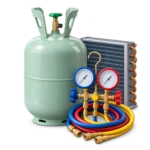 R-22 Refrigerant
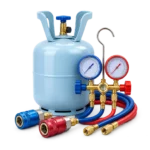 R-1234yf Refrigerant